
Exterior Wall Rendering in Melbourne: Benefits Preparation and Finish
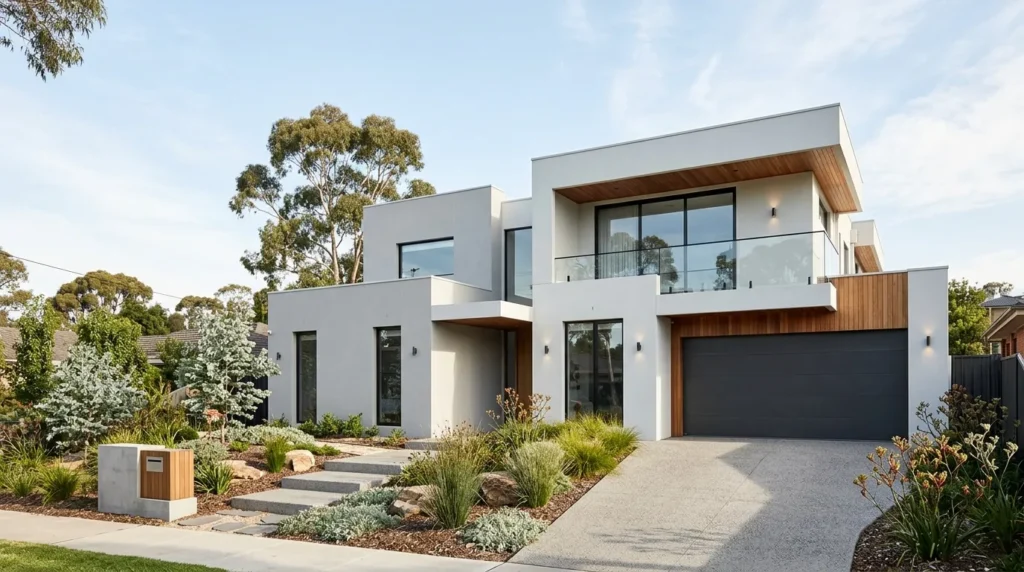
TABLE OF CONTENTS:
- Introduction
- What Is Exterior Wall Rendering?
- Key Benefits of Exterior Rendering
- Preparing Exterior Walls Before Rendering
- Choosing the Right Render Finish
- Common Exterior Rendering Problems to Watch For
- Why Professional Rendering Matters
- Exterior Rendering Services Across Melbourne
- Frequently Asked Questions
Introduction
Exterior walls play an important role in the appearance and protection of a property. Over time, existing finishes can become weathered, discoloured, cracked or uneven. Exterior wall rendering offers a practical way to refresh suitable wall surfaces and create a more consistent appearance.
For homeowners, builders and property owners across Melbourne, choosing the right rendering system involves more than selecting a colour. The wall material, existing condition, exposure to weather and required finish all need to be considered.
Emerald Group VIC provides professional rendering, plastering and facade services for residential and commercial properties across Melbourne, Victoria.
What Is Exterior Wall Rendering?
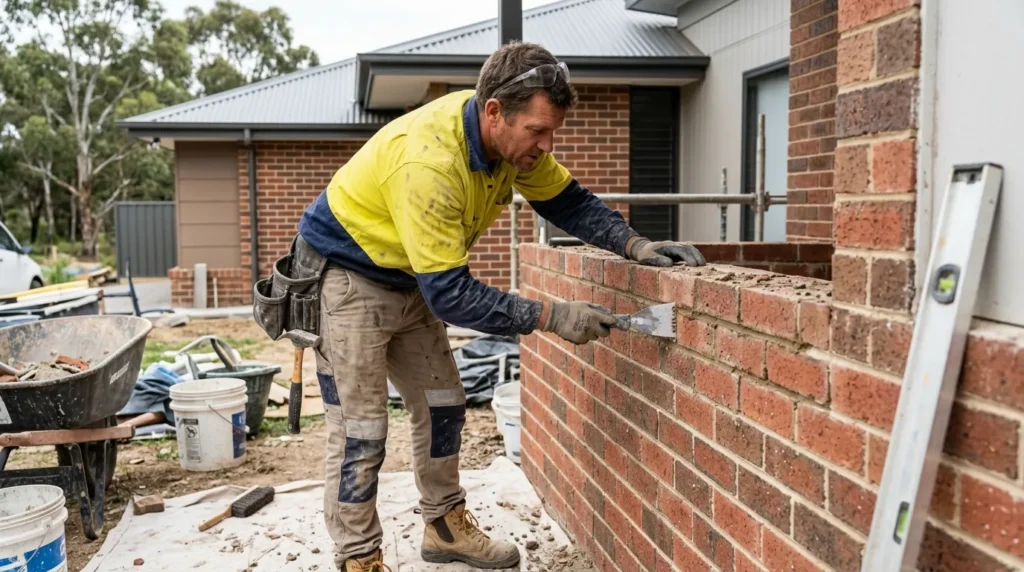
Exterior rendering involves applying a suitable render system to an appropriate wall surface to create a selected texture or finish. Depending on the product and substrate, the finished surface may be smooth, fine-textured or more decorative.
Rendering can be used on suitable masonry, brickwork and other approved substrates. The correct system depends on the manufacturer’s specifications and the condition of the existing wall.
A professional assessment helps determine whether a surface is suitable for rendering and whether repairs or additional preparation are required.
Key Benefits of Exterior Rendering
1. Improve Your Property’s Appearance
Rendering can give an older exterior a refreshed, more uniform appearance. It can also help create a consistent finish across suitable wall sections and complement other exterior features.
Homeowners can choose from different textures and colours to suit the property’s architectural style.
2. Create a Consistent Wall Finish
Brickwork and other masonry surfaces may have visible variations, patches or an appearance that no longer suits the property. An appropriate rendering system can provide a more consistent finish when the underlying surface is suitable.
Existing cracks, movement and moisture problems should be assessed rather than simply covered.
3. Support Long-Term Surface Performance
The performance of a rendered wall depends on the selected system, correct application, substrate condition and ongoing maintenance.
Proper preparation and installation help reduce the risk of premature coating failure. However, rendering is not a substitute for resolving structural movement, water ingress or other underlying defects.
4. Update Older Properties
Exterior rendering can help modernise the appearance of selected residential and commercial properties. It may be suitable for renovations where owners want to change the look of existing masonry without replacing the entire wall.
The feasibility of the project depends on the building material, existing coatings and the proposed render system.
Preparing Exterior Walls Before Rendering
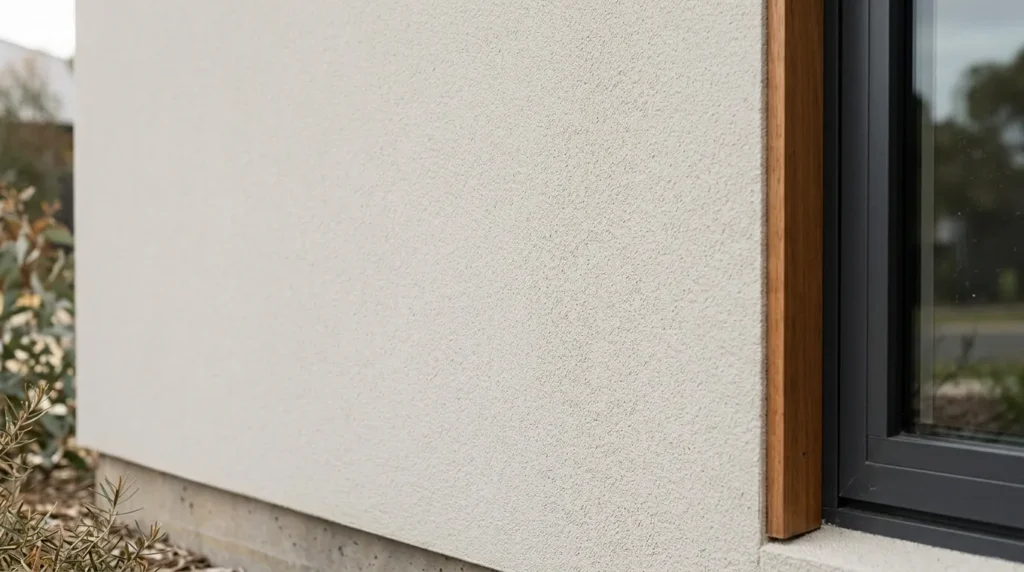
Surface preparation is one of the most important stages of a rendering project. Applying a new finish over an unsuitable surface can affect adhesion and contribute to defects.
A typical preparation process may include:
Inspecting the wall material and existing finish.
Identifying cracks, loose material and damaged sections.
Investigating moisture issues or signs of water penetration.
Removing unsuitable coatings or contaminants where required.
Repairing defects using compatible materials.
Applying the specified primer, bonding agent or preparation system where necessary.
The preparation method should always be appropriate for the substrate and selected rendering product.
Choosing the Right Render Finish
Different properties require different finishes. The most suitable option depends on the wall construction, desired appearance, exposure conditions and maintenance expectations.
Smooth Render
A smooth finish creates a clean, contemporary appearance. It generally requires careful application and suitable substrate preparation because surface irregularities may be more noticeable.
Textured Render
Textured finishes can add visual depth and help create a particular architectural style. The final appearance depends on the product, application method and selected texture.
Acrylic Render
Acrylic-modified render systems are used on suitable substrates where their product specifications meet the project requirements. Compatibility, flexibility, preparation and installation instructions should be checked before selection.
Choosing a system based only on appearance can lead to problems if it is unsuitable for the existing wall.
Common Exterior Rendering Problems to Watch For
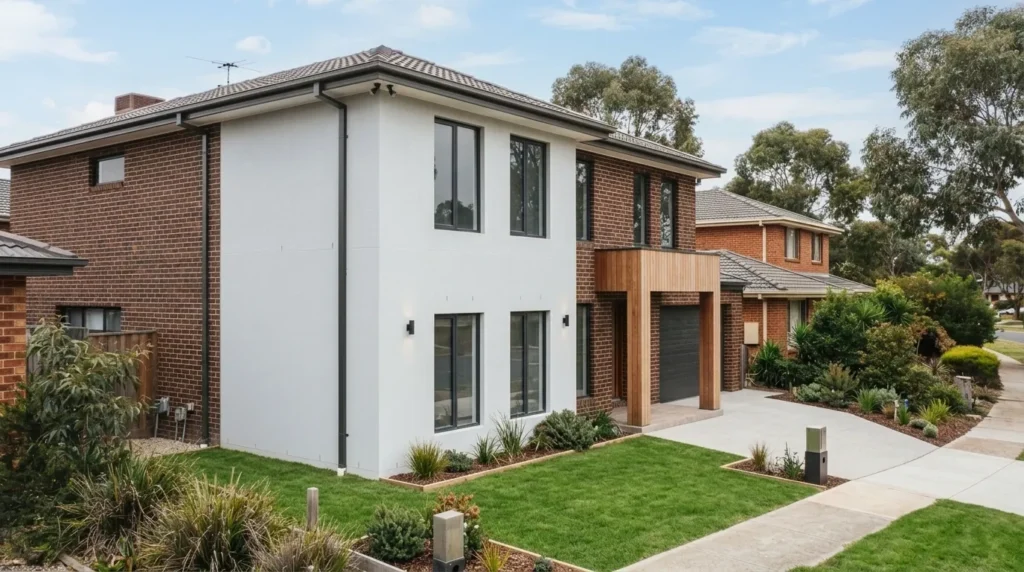
Rendered surfaces can develop defects if the substrate moves, moisture enters the wall, preparation is inadequate or the product is applied incorrectly.
Common warning signs include:
Cracks that continue to widen or return after repairs.
Bubbling, flaking or areas where the finish separates from the substrate.
Damp patches or discolouration.
Uneven textures or visible application marks.
Deterioration around joints, windows and other transitions.
Not every crack has the same cause. Where there are signs of significant movement or ongoing water ingress, the underlying issue should be investigated before cosmetic repairs begin.
Why Professional Rendering Matters
A successful rendering project requires an understanding of the substrate, preparation requirements, material compatibility and application conditions.
Professional planning can help establish the appropriate system, identify defects before work begins and produce a more consistent finish. It also helps ensure that preparation and curing requirements are considered throughout the project.
Emerald Group VIC provides rendering, plastering and facade services for property owners seeking to improve and maintain exterior wall surfaces across Melbourne.
Learn more about our rendering and facade services.
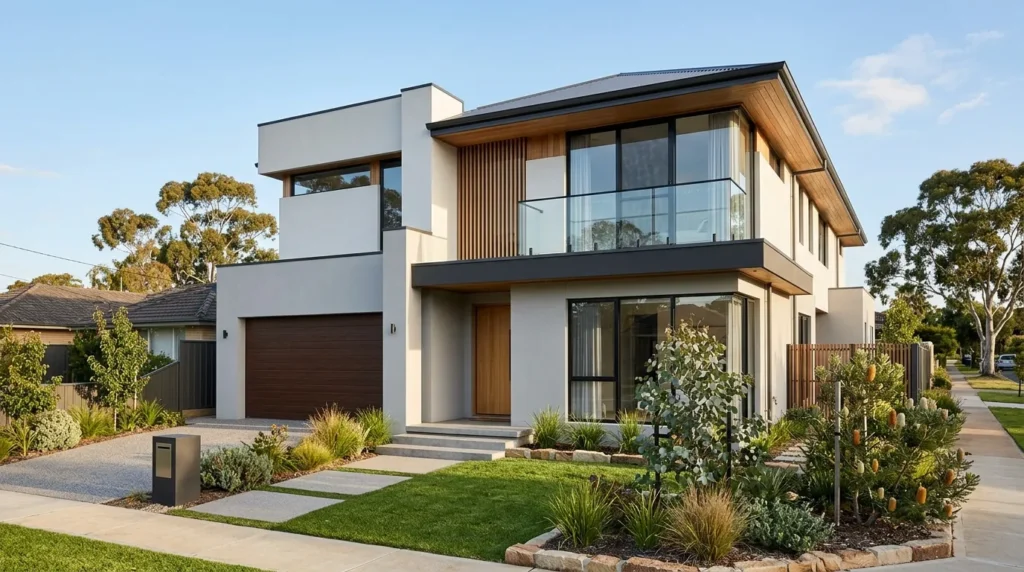
Exterior Rendering Services Across Melbourne
Whether you are renovating an existing home or improving a commercial property, the first step is to assess the current wall condition and determine the most appropriate finish.
Emerald Group VIC serves customers across Melbourne and surrounding Victorian suburbs. Contact our team to discuss your property’s requirements, the condition of your existing walls and the finish you want to achieve.
Visit our website to learn more about our services.
Frequently Asked Questions
How long does exterior rendering last?
The lifespan depends on the rendering system, substrate condition, workmanship, exposure to weather and ongoing maintenance. Correct installation and timely attention to defects can help maintain the finish.
Can existing brick walls be rendered?
Many brick walls can be rendered, but suitability depends on the brickwork, existing coatings, moisture conditions and selected system. A surface assessment is recommended before work begins.
Is acrylic render suitable for every wall?
No. Acrylic render systems have specific substrate and preparation requirements. The manufacturer’s specifications should be followed to determine whether a product is appropriate for the wall.
Does rendering fix structural cracks?
Rendering may improve the appearance of suitable repaired surfaces, but it does not resolve the underlying cause of structural movement. Significant or recurring cracks should be assessed before applying a new finish.
How much does exterior rendering cost in Melbourne?
Costs vary according to the area to be rendered, wall condition, access, preparation requirements, chosen materials and finish. A project-specific assessment is the best way to establish the scope and likely cost.