How to Choose the Best Renderer in Melbourne (7 Questions to Ask Before Hiring)
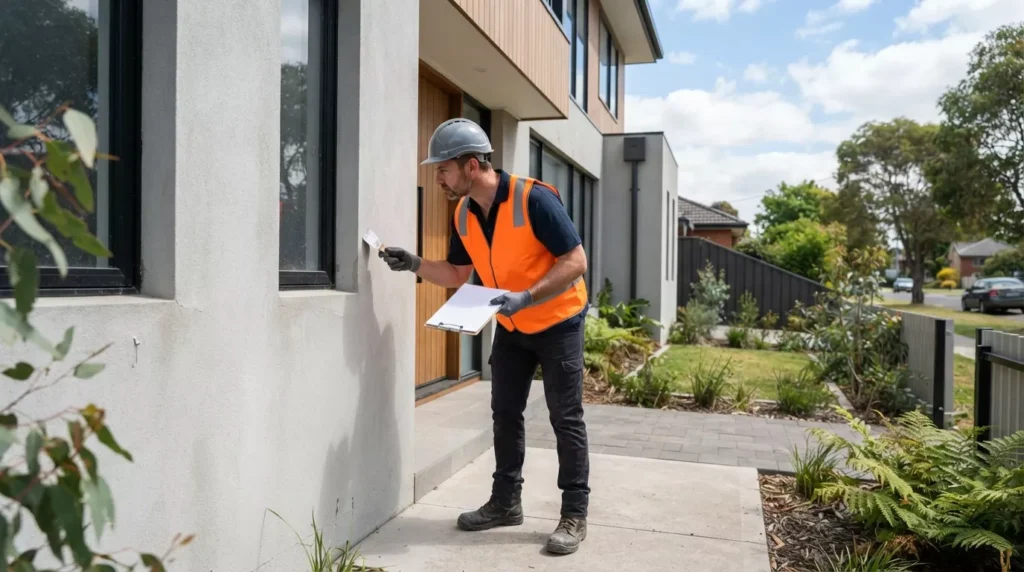
TABLE OF CONTENTS:
- Introduction
- Why Local Experience Matters
- Question #1 – Are You Licensed, Insured and Experienced?
- Question #2 – Can You Show Me Recent Melbourne Projects?
- What Should You Look for?
- Question #3 – Which Type of Render Is Best for My Home?
- Question #4 – What’s Included in Your Quote?
- Question #5 – How Long Will the Project Take?
- Question #6 – Do You Offer a Workmanship Warranty?
- Question #7 – How Will You Handle Existing Cracks or Damage?
- How Much Does Rendering Cost in Melbourne?
- Why Choose Emerald Group VIC?
- Frequently Asked Questions
INTRODUCTION
Choosing the best renderer Melbourne has to offer isn’t just about finding the cheapest quote. Your home’s exterior is one of its biggest investments, and the quality of the rendering work will affect its appearance, durability, weather resistance, and long-term value for years to come.
Unfortunately, many homeowners only discover they’ve hired the wrong contractor after problems begin to appear. Poor workmanship, cracking render, uneven finishes, delays, hidden costs, and low-quality materials can quickly turn what should have been a straightforward renovation into an expensive repair project.
If you’re wondering how to find a renderer Melbourne homeowners genuinely trust, asking the right questions before signing a contract is the best place to start.
This guide explains the seven essential questions every homeowner should ask before hiring a rendering contractor. Whether you’re planning a new build, renovating an older property, repairing damaged render, or updating your home’s façade, these tips will help you choose a professional who delivers quality workmanship and lasting results.
If you’re considering upgrading your home’s exterior, you may also find our Professional Rendering Services, Facade Restoration Services, Cement & Acrylic Rendering, and Decorative Texture Coating Services helpful for exploring different rendering options available across Melbourne.
Question #1 – Are You Licensed, Insured and Experienced?
The first and most important question to ask any rendering contractor is whether they are properly qualified, insured, and experienced.
Many people searching how to find a renderer Melbourne focus only on price. While affordability is important, experience should always come first.
A reputable renderer should be able to explain:
- How many years they’ve been working in Melbourne
- The types of rendering they specialise in
- Whether they work on residential and commercial properties
- What insurance coverage they carry
- Their health and safety procedures
- Whether they use qualified tradespeople
Melbourne’s climate presents unique challenges for rendered surfaces. Frequent temperature changes, heavy rainfall, and strong UV exposure all affect how render performs over time. An experienced local renderer understands these conditions and knows which products work best.
Why Local Experience Matters
Every suburb has different property styles and wall materials. Older brick homes often require different preparation techniques compared to modern concrete or lightweight construction.
Choosing a contractor with extensive Melbourne experience ensures they understand:
- Local weather conditions
- Building movement
- Moisture management
- Suitable render systems
- Common causes of cracking
- Council expectations where applicable
Ask These Questions
- How long have you been rendering homes in Melbourne?
- What types of render do you install?
- Can you provide proof of insurance?
- Have you completed projects similar to mine?
- Who will actually carry out the work?
A trustworthy contractor will answer confidently and provide supporting information without hesitation.
Question #2 – Can You Show Me Recent Melbourne Projects?
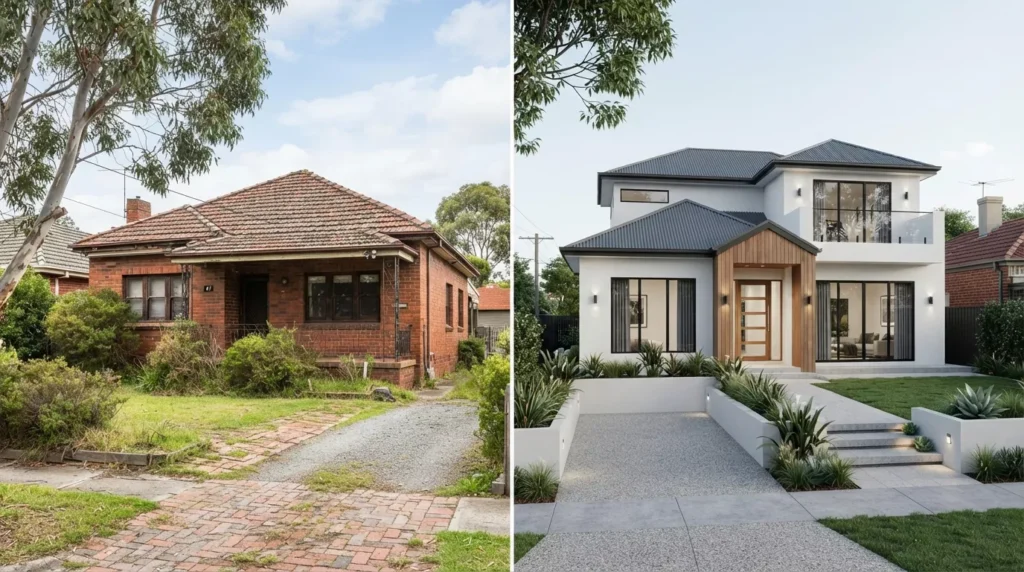
One of the easiest ways to judge a renderer’s quality is by looking at their previous work.
Professional rendering companies are proud to showcase completed projects because they demonstrate workmanship, consistency, and attention to detail.
Ask to see:
- Before-and-after photos
- Completed homes
- Close-up finish quality
- Large residential projects
- Modern architectural homes
- Commercial buildings
- Feature walls
- Recent renovations
If possible, request projects completed within the last 12 months.
Fresh examples give you a realistic idea of the company’s current standards rather than work completed many years ago.
What Should You Look For?
High-quality rendering should appear:
- Smooth and consistent
- Free from visible cracking
- Even in colour and texture
- Clean around windows and doors
- Professionally finished at corners
- Neatly sealed around fittings
Look beyond wide-angle photographs. Ask for close-up images that clearly show the finish quality.
Don’t Forget Customer Reviews
Along with viewing completed projects, spend time reading verified customer reviews.
Look for repeated mentions of:
- Communication
- Cleanliness
- Reliability
- Attention to detail
- Project completion on time
- Professional workmanship
- After-sales support
Consistent positive feedback is often one of the strongest indicators that you’ve found the best renderer Melbourne homeowners recommend.
Question #3 – Which Type of Render Is Best for My Home?
Not every render system is suitable for every property.
An experienced renderer won’t recommend the same solution for every home. Instead, they’ll assess your property’s construction, condition, location, and design before recommending the most suitable option.
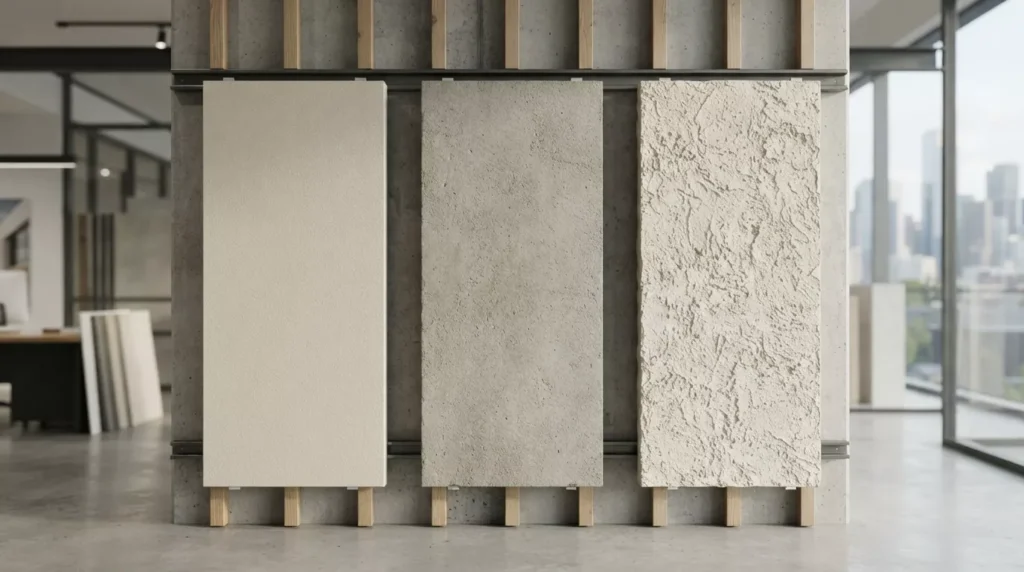
The most common rendering systems include:
Acrylic Render
Acrylic render is one of Melbourne’s most popular choices because it’s flexible, durable, and resistant to cracking.
Benefits include:
- Excellent weather resistance
- Wide colour selection
- Flexible finish
- Suitable for brick and concrete
- Lower maintenance
Cement Render
Traditional cement render remains an excellent option for many homes.
Benefits include:
- Strong, durable finish
- Affordable installation
- Suitable for brickwork
- Excellent base for textured coatings
Decorative Texture Coatings
Decorative texture coatings provide extra visual appeal while helping disguise minor surface imperfections.
Popular finishes include:
- Fine texture
- Medium texture
- Bagged finish
- Contemporary textured render
- Architectural finishes
Question #4 – What's Included in Your Quote?
One of the biggest mistakes homeowners make when choosing the best renderer Melbourne has to offer is comparing quotes based only on the final price.
A lower quote may seem attractive initially, but it often excludes important services that you’ll end up paying for later. Before accepting any proposal, ask for a detailed written quotation outlining exactly what is and isn’t included.
A professional renderer should clearly explain every stage of the project so there are no surprises once work begins.
A Comprehensive Rendering Quote Should Include
- Site inspection and consultation
- Surface preparation
- Cleaning existing walls
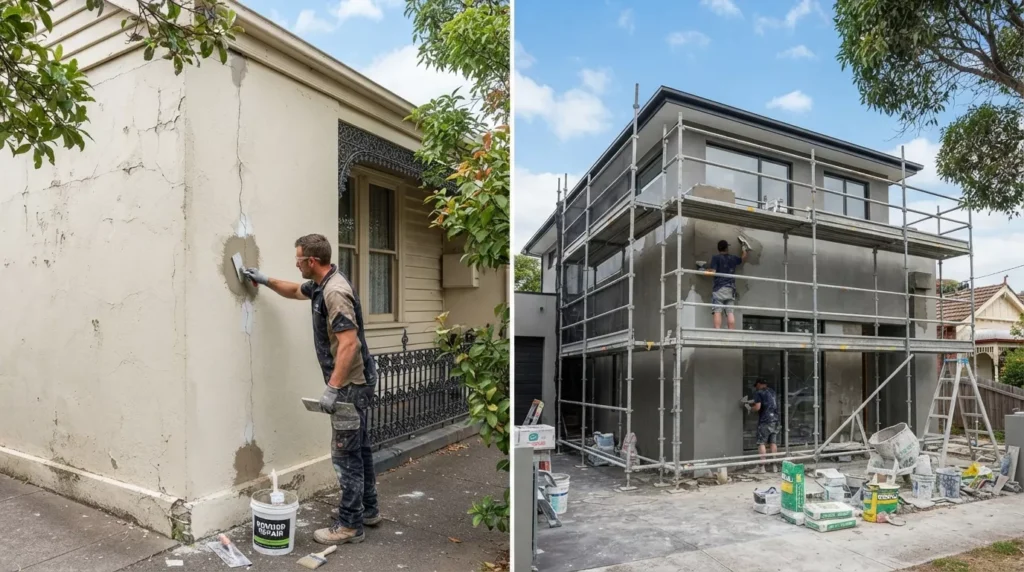
- Crack repairs
- Minor wall repairs
- Primer or bonding agents
- Type of render being applied
- Number of render coats
- Texture or finish selection
- Scaffolding (if required)
- Labour costs
- Material costs
- Waste removal
- Final site clean-up
- Estimated completion time
- Warranty information
If any of these items are missing, ask for clarification before signing the contract.
Ask These Questions
- Is preparation included?
- Are materials included?
- Will cracks be repaired before rendering?
- Are there any additional charges?
- Is scaffolding included?
- Is GST included?
- Will I receive a written quotation?
Choosing a renderer who is upfront about pricing gives you confidence that the project will stay on budget.
Question #5 – How Long Will the Project Take?
Understanding the project timeline is just as important as understanding the cost.
Many homeowners assume rendering can be completed in just a few days, but the actual timeframe depends on several factors, including the property’s size, wall condition, weather, and the type of render being applied.
A professional contractor should provide a realistic schedule rather than promising an unrealistically fast turnaround.
Factors That Affect Project Duration
Rendering projects may take longer if your home requires:
- Extensive surface preparation
- Crack repairs
- Removal of old render
- Multiple render coats
- Decorative texture finishes
- Complex architectural details
- Scaffolding installation
- Weather delays
Melbourne’s unpredictable weather can also affect drying times. Heavy rain or extreme temperatures may delay work to ensure the render cures correctly.
Typical Timeframes
| Property Type | Estimated Time |
|---|---|
| Small unit | 3–5 days |
| Single-storey home | 5–7 days |
| Double-storey home | 7–10 days |
| Large custom home | 10–15 days |
These timeframes vary depending on preparation work and weather conditions.
Question #6 – Do You Offer a Workmanship Warranty?
A reputable renderer stands behind their work.
Before hiring anyone, ask whether they provide a written workmanship warranty and what it covers.
A warranty demonstrates confidence in the quality of the materials and installation methods used.
A Good Warranty Should Cover
- Workmanship defects
- Render application issues
- Delamination caused by poor installation
- Premature cracking due to workmanship
- Manufacturer-backed material warranties where applicable
Remember that warranties generally do not cover structural movement, accidental damage, or problems caused by poor building maintenance.
Why Warranties Matter
Rendering is a long-term investment. A professionally installed render system can last for decades when applied correctly and maintained properly.
Choosing a contractor who offers a clear warranty provides additional peace of mind and shows they’re committed to delivering quality workmanship.
Ask These Questions
- Is the warranty provided in writing?
- How long does the workmanship warranty last?
- What is covered?
- What isn’t covered?
- Do manufacturers also provide product warranties?
Professional rendering companies are usually happy to explain their warranty policy before work begins.
Question #7 – How Will You Handle Existing Cracks or Damage?
Not every wall is ready to be rendered immediately.
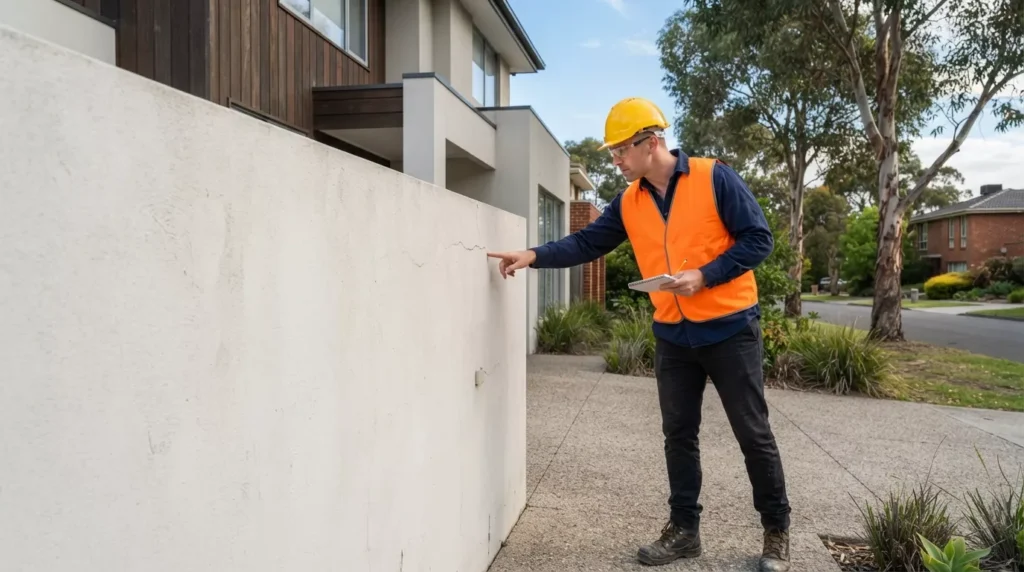
One of the most important questions to ask is how the contractor plans to deal with existing cracks, damaged render, or moisture issues before applying a new finish.
Simply covering over damaged surfaces rarely produces a lasting result.
Professional preparation usually includes:
- Removing loose render
- Repairing cracks
- Cleaning contaminated surfaces
- Treating moisture problems
- Applying appropriate primers
- Reinforcing vulnerable areas where necessary
Ignoring these steps often leads to cracking, bubbling, or render failure within a short period.
Signs Your Walls May Need Repairs First
- Cracked render
- Hollow render
- Bubbling surfaces
- Water stains
- Damp walls
- Loose render
- Flaking paint
- Structural movement
An experienced contractor will inspect your walls carefully and explain whether localised repairs are sufficient or whether more extensive restoration work is required.
If your existing render is failing, investing in proper repairs before re-rendering will provide a much longer-lasting finish.
How Much Does Rendering Cost in Melbourne?
One of the first questions homeowners ask after finding the best renderer Melbourne is, “How much will it cost?”
The answer depends on several factors, including the size of your property, the condition of the existing walls, the type of render you choose, and the complexity of the project. While price is important, remember that quality workmanship often provides better long-term value than choosing the cheapest quote.
Factors That Influence Rendering Costs
- Total wall area
- Type of render (cement, acrylic, texture coating)
- Surface preparation required
- Existing render removal
- Crack or wall repairs
- Scaffolding requirements
- Decorative finishes
- Accessibility of the property
Typical Rendering Cost Guide
| Service | Typical Price Range |
|---|---|
| Cement Rendering | $45–$70 per m² |
| Acrylic Rendering | $60–$90 per m² |
| Texture Coating | $65–$100+ per m² |
| Minor Render Repairs | Varies depending on damage |
| Full House Rendering | Depends on property size and finish |
Prices are indicative only. A professional site inspection is the best way to obtain an accurate quote.
Why Choose Emerald Group VIC?
When searching for the best renderer Melbourne, experience, quality workmanship, and customer satisfaction should always come first.
At Emerald Group VIC, we provide professional rendering solutions for residential and commercial properties across Melbourne. Our experienced team combines premium materials with proven installation techniques to deliver finishes that are both attractive and built to last.
Our Services Include
Professional Rendering Services
Facade Restoration Services
Cement & Acrylic Rendering
Decorative Texture Coating Services
Venetian Plaster Melbourne
Frequently Asked Questions
How do I choose the best renderer in Melbourne?
Look for experience, insurance, completed local projects, customer reviews, detailed quotations, and written workmanship warranties.
How much does rendering cost in Melbourne?
Most rendering projects range from approximately $45–$100+ per square metre, depending on the material, wall condition, and finish.
How long does rendering take?
Most residential rendering projects take between 5 and 10 days, depending on preparation work, property size, and weather conditions.
Which render is better—cement or acrylic?
Cement render is durable and cost-effective, while acrylic render offers greater flexibility, improved weather resistance, and reduced cracking.
Should existing cracks be repaired before rendering?
Yes. Professional crack repairs should always be completed before new render is applied to achieve a durable, long-lasting finish.
Does rendering increase property value?
Professionally completed rendering can improve street appeal, protect exterior walls, and potentially increase the resale value of your property.
How long does rendered exterior last?
A professionally installed render system can last 20–40 years with proper maintenance and quality workmanship.
Can rendering be applied over painted walls?
In some cases, yes. However, existing paint may need to be removed or treated to ensure proper adhesion.