
Polystyrene Cladding Melbourne: Benefits, Costs & What to Expect (2026 Guide)
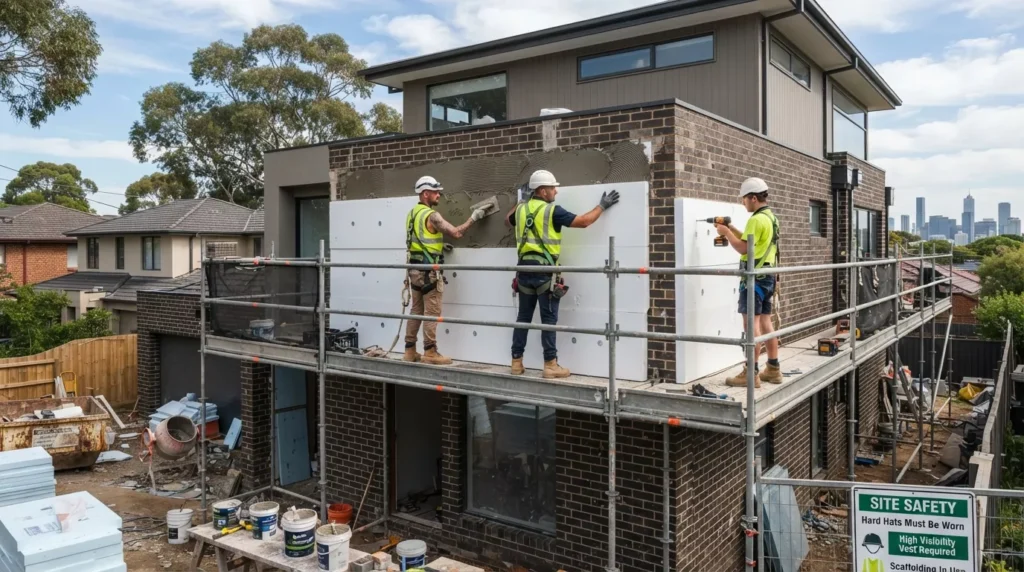
TABLE OF CONTENTS:
- Introduction
- What Is Polystyrene Cladding?
- How Does Foam Cladding Work?
- Why Melbourne Homeowners Are Choosing Polystyrene Cladding
- Benefits of Polystyrene Cladding
- Types of Polystyrene Cladding System
- Installation Process Explained
- How Much Does Polystyrene Cladding Cost in Melbourne?
- Factors That Affect Pricing
- Frequently Asked Questions
- Why Choose Emerald Group VIC?
Polystyrene Cladding Melbourne: Benefits, Costs & What to Expect
If you’re planning to modernise your home’s exterior, improve insulation, or refresh an ageing brick façade, polystyrene cladding Melbourne has become one of the most practical and cost-effective solutions available. More homeowners across Melbourne are choosing this lightweight cladding system because it not only transforms the appearance of a property but also improves thermal performance and helps protect external walls from the elements.
Unlike traditional rendering alone, polystyrene cladding combines insulation boards with a reinforced render system to create a durable, attractive finish. The result is a home that looks modern, stays cooler during summer, retains warmth in winter, and requires less ongoing maintenance than many older exterior finishes.
Whether you’re renovating a family home, updating an investment property, or building a new residence, understanding how foam cladding works will help you make an informed decision before investing in your project.
In this guide, we’ll explain everything you need to know, including the benefits, installation process, expected costs in Melbourne, common applications, maintenance requirements, and how to choose the right contractor.
What Is Polystyrene Cladding?
Polystyrene cladding is an exterior wall system that combines expanded polystyrene (EPS) insulation panels with reinforcing mesh, specialised adhesives, base coats, and high-performance acrylic render. Together, these materials create a strong, weather-resistant exterior that improves both the appearance and energy efficiency of a building.
Although it’s commonly referred to as foam cladding Melbourne, modern EPS cladding is far more advanced than the name suggests. The insulation boards are lightweight yet durable, providing an additional protective layer over existing brick, concrete, cement sheet, or masonry walls. Once installed and rendered, the finished surface looks like a premium rendered façade rather than exposed foam.
One of the biggest advantages of this system is its versatility. It can be used on new homes, renovations, extensions, and commercial buildings to create a clean, contemporary finish without adding significant structural weight.
For Melbourne homeowners looking to update an older brick home, EPS cladding offers a practical way to achieve a modern architectural appearance while also improving comfort indoors.
Key Components of a Polystyrene Cladding System
A professional installation generally includes:
- EPS insulation boards
- Adhesive fixing system
- Mechanical fixings where required
- Fibreglass reinforcing mesh
- Polymer-modified base coat
- Acrylic render
- Decorative textured finish
- Protective exterior coating
Each layer works together to improve durability, reduce cracking, and deliver a long-lasting finish capable of handling Melbourne’s changing weather conditions.
How Does Foam Cladding Work?
Foam cladding acts as an additional insulated skin around your home. Rather than simply covering the existing walls, the EPS boards help reduce heat transfer by slowing the movement of warmth through external walls.
During winter, less indoor heat escapes through the building envelope. In summer, the insulation helps reduce heat entering the home from outside. This creates a more stable indoor temperature, reducing the reliance on heating and cooling systems throughout the year.
After the insulation panels are securely fixed, installers apply reinforcing mesh and several protective render coats. Once complete, the finished surface resembles a professionally rendered wall while delivering the added benefit of insulation.
Because Melbourne experiences both hot summers and cool winters, many homeowners appreciate the year-round comfort that insulated cladding systems can provide.
Why Melbourne Homeowners Are Choosing Polystyrene Cladding
Homeowners across Melbourne are investing in exterior upgrades that improve both appearance and long-term performance. Polystyrene cladding has become increasingly popular because it addresses several common concerns at once.
Older brick homes often lack adequate insulation, leading to higher energy costs and inconsistent indoor temperatures. Traditional rendering can improve appearance, but it doesn’t significantly increase thermal efficiency. Polystyrene cladding combines a modern rendered finish with insulation, offering a more complete solution.
Many homeowners also choose this system because it can:
- Modernise outdated brick homes
- Improve energy efficiency
- Increase street appeal
- Reduce external wall maintenance
- Create smoother rendered finishes
- Support sustainable home improvements
- Add value before selling
For renovation projects, it provides a practical alternative to demolishing and rebuilding exterior walls, helping homeowners achieve a fresh new look with less disruption.
Benefits of Polystyrene Cladding Melbourne
Choosing polystyrene cladding Melbourne is about more than improving your home’s appearance. A professionally installed EPS cladding system provides insulation, protects external walls, and creates a modern finish that lasts for years with minimal maintenance. Whether you’re renovating an older brick home or completing a new build, foam cladding offers practical advantages that suit Melbourne’s changing climate.
Improved Thermal Insulation
One of the biggest reasons homeowners choose foam cladding Melbourne is its excellent thermal performance. Expanded Polystyrene (EPS) boards add an extra layer of insulation to the building envelope, helping to reduce heat transfer through external walls.
This means your home stays warmer during Melbourne’s cooler months and cooler throughout summer. Better insulation can also reduce the workload on heating and cooling systems, making your home more comfortable throughout the year.
Modern Street Appeal
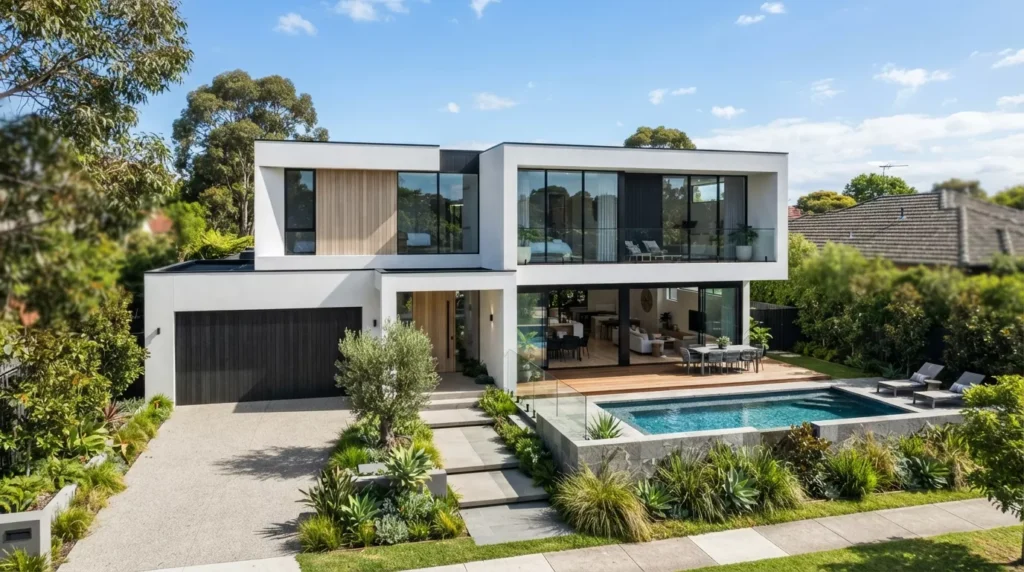
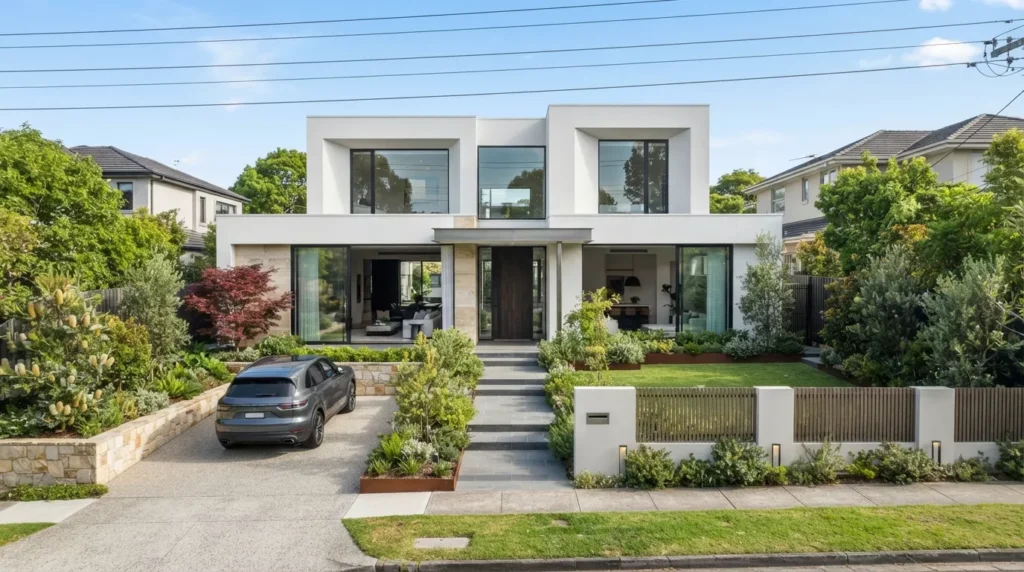
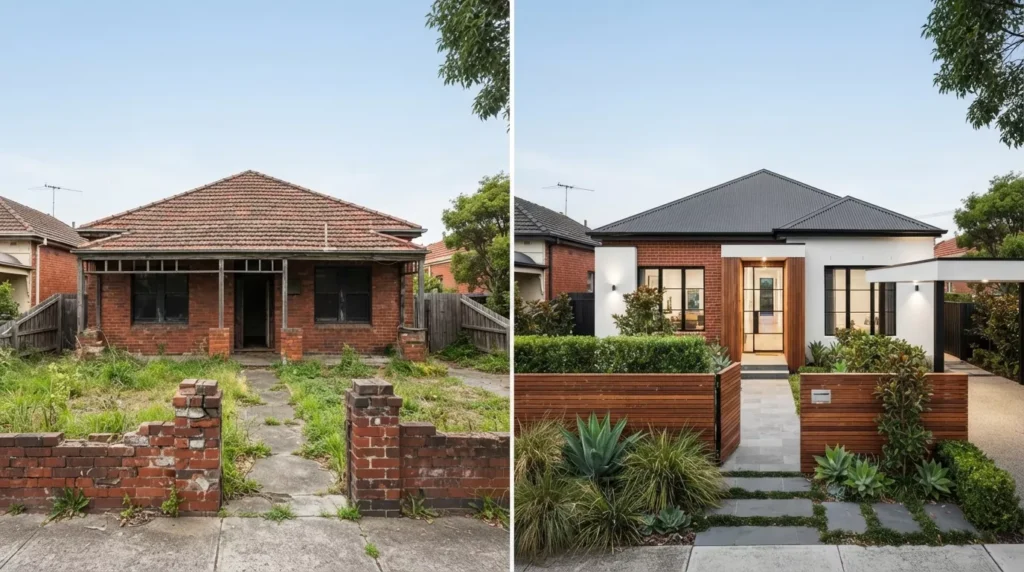
Many older homes have brickwork or ageing exterior finishes that make the property look dated. Installing rendered polystyrene cladding creates a clean, contemporary façade without rebuilding the exterior walls.
Whether you prefer a smooth architectural finish or a textured render, EPS cladding can completely transform the appearance of your property and significantly improve its street appeal.
Protection from Melbourne’s Weather
Melbourne experiences everything from hot summer days to heavy rain and cold winter mornings. A professionally installed cladding system helps shield external walls from moisture, temperature fluctuations, and everyday wear.
When combined with a high-quality acrylic render and protective coating, the system creates a durable barrier that helps extend the life of your home’s exterior.
Lightweight Yet Strong
Unlike some traditional cladding materials, EPS boards are lightweight, placing minimal additional load on existing walls. This makes them suitable for many renovation projects where adding excessive weight is not practical.
Despite being lightweight, the complete system including reinforcing mesh and render is designed to provide long-lasting strength and durability.
Cost-Effective Renovation Solution
Replacing external walls can be expensive and disruptive. Polystyrene cladding allows homeowners to update the appearance of their property without major structural work.
For many Melbourne renovations, this approach saves time while still delivering a dramatic transformation.
Low Maintenance
Once installed and finished correctly, foam cladding requires relatively little maintenance. Occasional cleaning and periodic inspections are usually enough to keep the exterior looking its best.
Types of Polystyrene Cladding Systems
Not every home requires the same cladding solution. Professional installers select the most suitable system based on the property’s construction, design, and performance requirements.
Standard EPS Cladding
This is the most common option for residential properties. EPS insulation boards are fixed to external walls before reinforcement and acrylic rendering are applied.
It offers an excellent balance of affordability, insulation, and visual appeal.
High-Density EPS Cladding
High-density boards provide additional impact resistance, making them suitable for areas exposed to heavier use or greater environmental stress.
These systems are often recommended for commercial buildings, schools, or high-traffic locations.
Decorative Architectural Cladding
EPS is extremely versatile and can be shaped into decorative architectural elements, including:
- Window mouldings
- Decorative columns
- Feature bands
- Cornices
- Parapets
- Modern façade details
These features allow homeowners to create a unique architectural style while maintaining the insulation benefits of the cladding system.
Step-by-Step Installation Process Process
One of the biggest advantages of foam cladding
Understanding the installation process helps homeowners know what to expect before work begins.
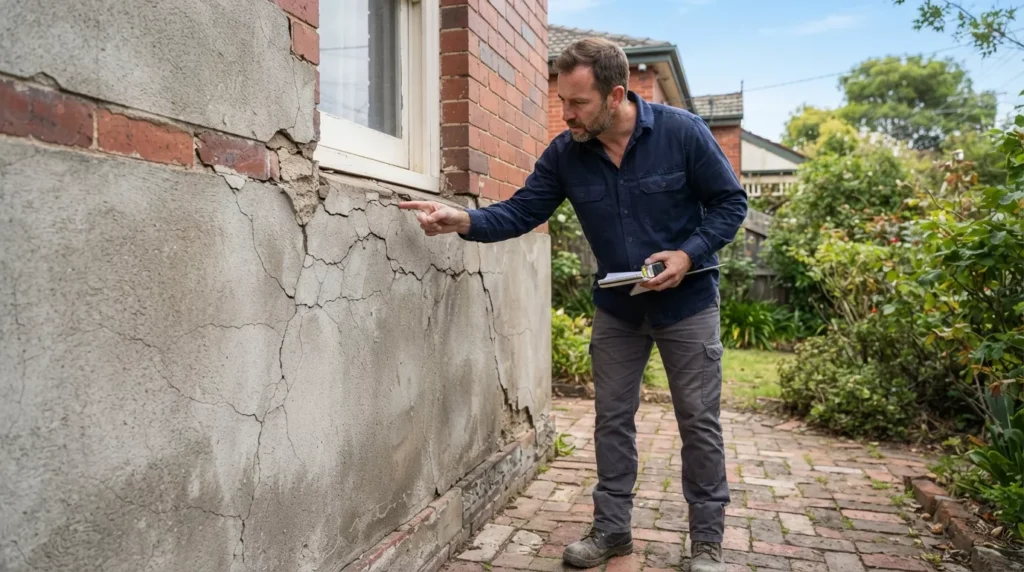
1. Property Inspection
Every successful project starts with a detailed site inspection. Professional installers assess:
- Existing wall condition
- Structural integrity
- Moisture issues
- Surface preparation requirements
- Design preferences
This allows the correct cladding system to be recommended.
2. Surface Preparation
The walls are cleaned thoroughly to remove dust, loose materials, dirt, and contaminants.
Any damaged sections are repaired before installation begins to ensure a stable foundation.
3. Installing the EPS Boards
The insulation boards are carefully fixed to the external walls using specialised adhesives and mechanical fixings where required.
Accurate installation is essential to achieve a smooth finished appearance.
4. Reinforcing Mesh Application
A fibreglass reinforcing mesh is embedded into a polymer-modified base coat.
This layer helps strengthen the system and improves resistance to cracking.
5. Acrylic Render Application
Once the reinforced base has cured, high-quality acrylic render is applied.
Homeowners can choose from a range of textures and finishes to match the style of their property.
6. Protective Coating
The final protective coating enhances durability while helping the exterior resist UV exposure, moisture, and everyday weather conditions.
What to Expect During Installation
Many homeowners wonder how disruptive the installation process will be.
Although every project is different, most residential installations follow a similar timeline.
Before Work Begins
Your contractor will explain:
- Project schedule
- Access requirements
- Material delivery
- Weather considerations
- Safety measures
During Installation
Scaffolding may be required depending on the property’s height.
The installation team will typically work in stages to minimise disruption while maintaining consistent quality.
After Completion
Once complete, the finished façade will provide:
- A modern rendered appearance
- Improved insulation
- Better weather protection
- Increased property value
- Reduced ongoing maintenance
How Much Does Polystyrene Cladding Cost in Melbourne?
One of the first questions homeowners ask is, How much does polystyrene cladding cost in Melbourne? While there isn’t a single fixed price, understanding the factors that influence the cost will help you budget more accurately and compare quotes with confidence.
Most professional contractors provide customised quotes because every property is different. The size of the home, existing wall condition, architectural details, and the type of finish you choose all play a role in determining the final investment.
As a general guide, homeowners can expect higher costs for properties that require extensive preparation, difficult access, or decorative architectural features. On the other hand, straightforward installations on well-maintained walls are typically more cost-effective.
Rather than focusing solely on the lowest quote, it’s important to consider the quality of materials, workmanship, warranty, and long-term performance. A professionally installed EPS cladding system can improve energy efficiency, enhance street appeal, and reduce future maintenance, making it a worthwhile long-term investment.
Factors That Affect the Cost of Foam Cladding
Several variables influence the overall project cost.
Property Size
Larger homes require more insulation boards, render, reinforcement materials, and labour.
Existing Wall Condition
Walls with cracks, moisture damage, or loose render may need repairs before the cladding system can be installed.
Architectural Design
Homes with multiple storeys, curved walls, balconies, or decorative features often require additional labour and specialised installation techniques.
Access Requirements
Restricted access, steep blocks, or properties requiring extensive scaffolding may increase installation costs.
Finish Selection
Different render textures, premium coatings, and custom architectural mouldings can affect the final price.
Insulation Thickness
Thicker EPS boards generally provide greater thermal performance but may increase material costs.
Why Choose Emerald Group VIC?
When it comes to polystyrene cladding Melbourne, choosing an experienced team makes all the difference.
At Emerald Group VIC, we specialise in professionally installed polystyrene cladding and recladding systems for residential and commercial properties throughout Melbourne. Our team focuses on delivering durable workmanship, premium materials, and finishes that complement every style of home.
Whether you’re updating an ageing brick façade, improving insulation, or giving your property a modern new appearance, we work closely with you to recommend the most suitable cladding solution for your project.
Our commitment to quality, attention to detail, and customer satisfaction has helped homeowners across Melbourne achieve beautiful, long-lasting results.
Learn more about our services here:
https://emeraldgroupvic.com.au/polystyrene-cladding-recladding-melbourne-emerald-group-vic/
Frequently Asked Questions
Is polystyrene cladding suitable for Melbourne's climate?
Yes. Professionally installed EPS cladding systems are designed to perform well in Melbourne’s varying weather conditions, providing insulation and weather protection throughout the year.
How long does polystyrene cladding last?
With quality materials, professional installation, and routine maintenance, a polystyrene cladding system can provide decades of reliable performance.
Can polystyrene cladding be installed over brick?
Yes. Many older brick homes are excellent candidates for recladding with EPS systems, provided the existing walls are structurally sound.
Does foam cladding improve energy efficiency?
Yes. The insulation boards help reduce heat transfer through external walls, improving indoor comfort and reducing reliance on heating and cooling.
Can I choose different render finishes?
Absolutely. Acrylic render systems are available in a wide range of colours and textures to suit both modern and traditional homes.
Is maintenance difficult?
No. Occasional cleaning and routine inspections are generally all that’s required to keep the system looking its best.
How do I get an accurate quote?
The best approach is to arrange a professional site inspection. This allows the contractor to assess your property’s size, wall condition, access requirements, and preferred finish before providing a detailed quotation.