
Introduction
When it comes to improving the exterior of your home, choosing the right rendering finish makes a huge difference in durability, appearance, and long-term value. Two of the most popular options for modern Melbourne homes are acrylic render and texture coating. Both offer excellent protection and beautiful finishes — but they serve different purposes.
In this guide, we’ll explore the differences between texture coating vs acrylic render, their benefits, suitability for Melbourne’s climate, and how to choose the right one for your project.
What Is Acrylic Render?
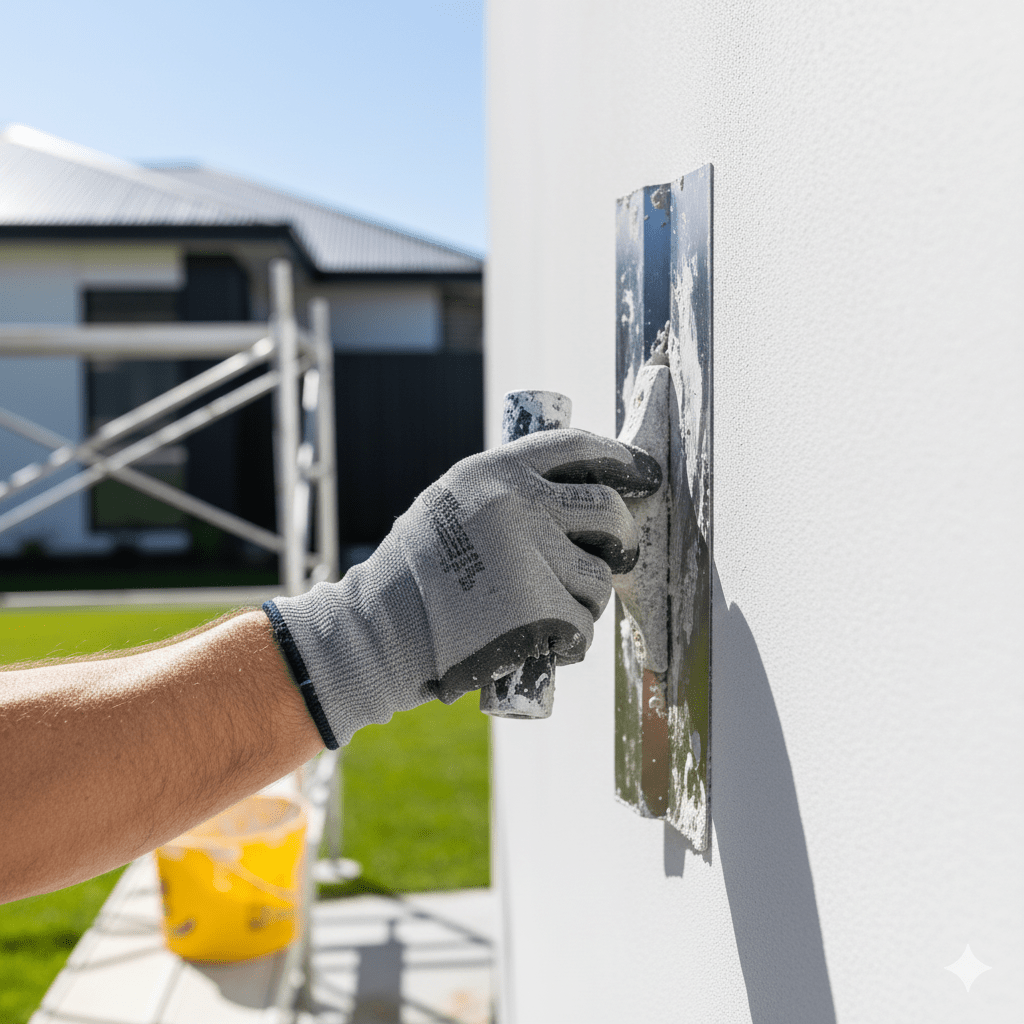
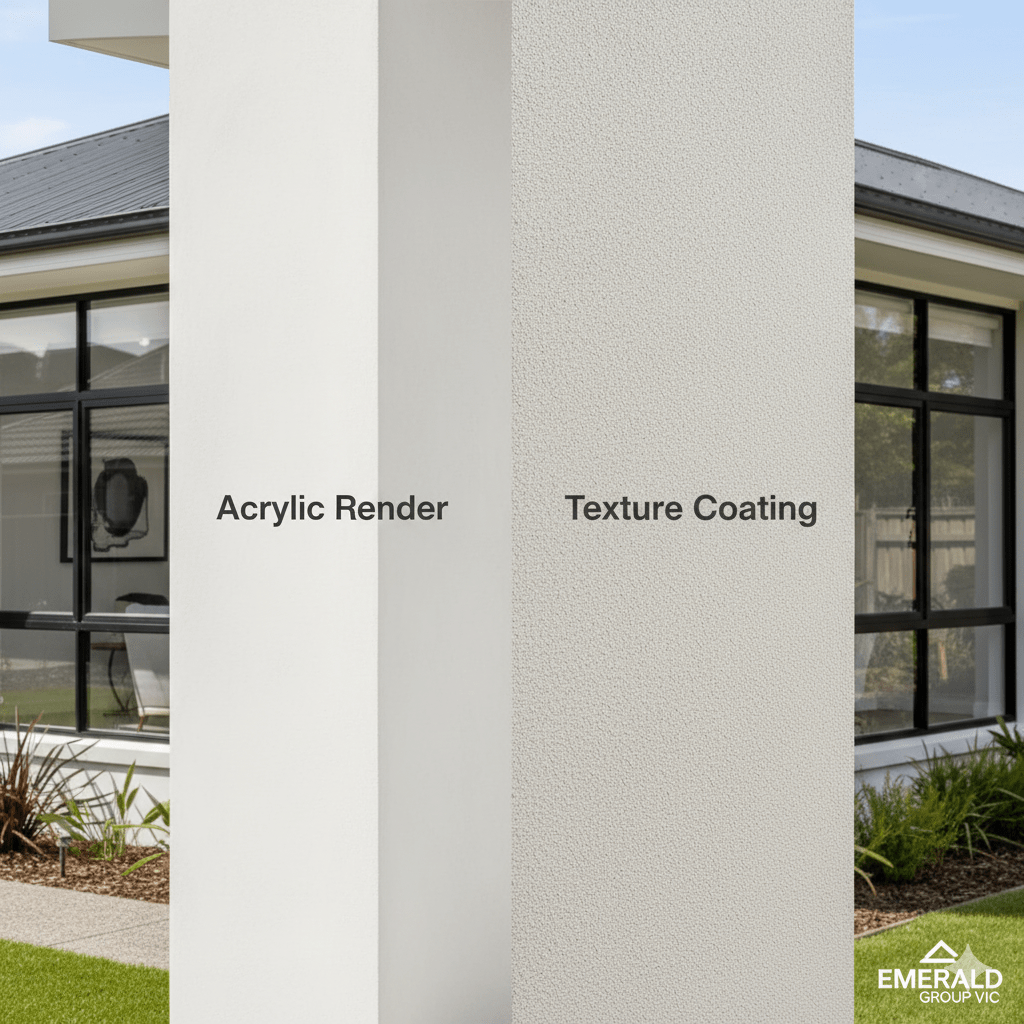
Acrylic render is a polymer-based render known for its flexibility, smooth application, and resistance to cracking. It is commonly used as a thin topcoat or finishing layer.
Key Benefits of Acrylic Render
- Highly flexible, reducing cracks
- Fast drying (ideal for Melbourne’s changing weather)
- Works on brick, block, polystyrene, cement sheets, and existing render
- Smooth and modern finish
- Excellent water resistance
Best For
- Modern homes
- Smooth finish walls
- Re-rendering projects
- Areas with high temperature changes
What Is Texture Coating?
Texture coating is a thicker, acrylic-based finishing product that provides a decorative, durable, long-lasting exterior layer. Unlike paint, texture coating adds both color and texture in one application.
Key Benefits of Texture Coating
- Extremely weather-resistant and UV-stable
- Thick protective layer
- Available in fine, medium, and rough textures
- Can last 15–20 years without repainting
- Has integrated colour, so no painting required
- Excellent for hiding surface imperfections
Best For
- Entire house exteriors
- Homes needing a decorative, textured finish
- Harsh weather zones (Melbourne’s north, west, bayside)
- Older homes with minor cracks or uneven walls
Texture Coating vs Acrylic Render: Key Differences
Here is a clear breakdown:
| Feature | Acrylic Render | Texture Coating |
|---|---|---|
| Material Type | Thin acrylic finishing render | Thick acrylic-based protective coating |
| Flexibility | High | Very high |
| Textures Available | Mostly smooth | Fine, medium, coarse |
| Longevity | 8–12 years | 15–20+ years |
| Crack Resistance | Excellent | Superior |
| Ideal Use | Smooth finish | Decorative textured finish |
| Weather Resistance | Strong | Outstanding |
| Painting Needed? | Yes (if no colour added) | No (integrated colour) |
Which Is Better for Melbourne Homes?
Melbourne weather is unpredictable — hot summers, cold winters, heavy rain, and fast temperature changes. This makes flexibility and weather resistance extremely important.
Acrylic Render Is Better If:
- You want a smooth, clean, modern appearance
- You’re using it as a finishing coat over cement render
- You want a cost-effective, attractive finish
- Your walls need crack resistance
Texture Coating Is Better If:
- You want a long-lasting, maintenance-free exterior
- You prefer textured finishes (fine, medium, or coarse)
- You want integrated colour with no repainting
- Your walls have imperfections to hide
Acrylic Texture Render: The Hybrid Option
Acrylic texture render combines the flexibility of acrylic with the decorative style of texture coating.
Benefits
- Flexible and crack-resistant
- Attractive texture options
- Ideal for Melbourne’s extreme weather changes
- Works on EPS/polystyrene cladding, Hebel, and brick
Many Melbourne builders now use acrylic texture render for both new builds and renovations.
Cost Comparison (Melbourne Pricing Guide)
| Service | Approx. Cost Per m² |
|---|---|
| Acrylic Render | $40–$65 per m² |
| Texture Coating | $65–$95 per m² |
| Acrylic Texture Render | $60–$90 per m² |
Prices vary based on:
- Wall condition
- Height & accessibility
- Type of finish
- Materials needed
- Whether old render needs repair
Texture Coating vs Acrylic Render: Which Should You Choose?
Choose Acrylic Render if you want:
✔ A smooth, modern look
✔ Fast application
✔ Crack resistance
✔ A base for texture coating or paint
Choose Texture Coating if you want:
✔ 15–20 years of durability
✔ Integrated color
✔ A decorative, textured appearance
✔ Maximum weather protection
Why Melbourne Homeowners Prefer Texture Coating
Because it offers:
- UV stability
- Fade-resistant colour
- Better performance in unpredictable weather
- Minimal maintenance
- Superior aesthetic appeal
This makes texture coating one of the top exterior finishes for homeowners across Inner Melbourne, Northern suburbs, and Western suburbs.
SEO-Optimized FAQ Section
1. What lasts longer: acrylic render or texture coating?
Texture coating lasts longer — up to 20 years or more — compared to acrylic render, which typically lasts 10–12 years.
2. Can texture coating be applied over acrylic render?
Yes. Texture coating can be applied on top of acrylic render as long as the surface is prepared correctly.
3. Is acrylic render good for Melbourne weather?
Absolutely. Its flexibility helps it resist cracking during Melbourne’s extreme temperature shifts.
4. Does texture coating require painting?
No. Texture coating includes colour, so no painting is required.
5. What gives a smoother finish: acrylic render or texture coating?
Acrylic render gives a smoother finish, while texture coating gives a decorative textured look.
Conclusion
Both acrylic render and texture coating are excellent exterior finishing options — but they serve different purposes. If you want a sleek, smooth, modern look, go with acrylic render. If you want long-lasting performance with decorative texture, texture coating is the clear winner.
For homeowners in Melbourne, where weather conditions can be unpredictable, choosing the right render makes all the difference in durability and appearance.